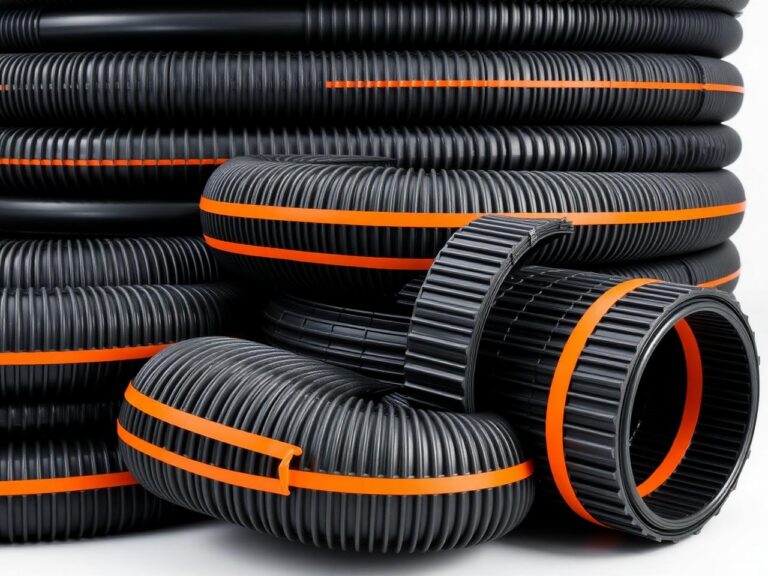
Conduits are tubings or pipes typically used to enclose electrical wires that supply power to a building or a home. Depending on their uses, flexible conduit pipes are made of a variety of materials, such as metal, steel, fibre, plastic, and more.
Selecting the right type of conduits for your building helps to ensure that the electrical wiring is adequately protected. Also, installing the correct conduit systems keeps the power running efficiently and reduces the chances of hazards.

If you are unsure about using a conduit pipe for electrical wiring, it helps to know about its advantages. Read on to learn more, so you can make an informed choice when purchasing flexible cable conduits.
Top 5 Advantages of Flexible Conduit Pipes
1.Durable
This type of conduit pipes helps to offer perfect protection in the form of a casing. Superior quality raw materials such as specially modified Polyamide PA6 and PVC are typically used to make these pipes, which offer a high level of mechanical strength and help them last longer. Also, these substances help to protect against punctures, cuts, and nicks to the wiring inside them, thus preventing the occurrence of electrical accidents.
2.Flexible
As the name indicates, the flexible conduit allows for twists and bends without the use of any additional hardware. This is why it is commonly used in most commercial applications.
3.Convenient
Flexible conduit pipes are lightweight and quite easy to install. Also, they are a cost-effective means of protecting wires. Thus, they are widely used by electricians.
4.Versatile
Flexible cable conduit protects the wires from catching fire or burning. In addition to commercial uses, they are ideal for outdoor residential applications as well. This is why flexible conduit pipes are an all-in-one solution.
5.Availability
These cables are available in many forms and colours to serve a variety of purposes. For example, the grey colour conduit pipes indicate that they are UV Resistant and the green shade is an indicator of electrical wiring for hydraulic applications.
Now, that you know the benefits of using conduit pipes for electrical wiring, let us discuss a few essentials you need to keep in mind before buying them.
Things to Consider Before Installing Flexible Conduit Pipes
- Perform the required research, so you know the right type of conduit cable that meets your specific needs.
- Be sure to know the building regulations and electrical codes of your region. This is because they specify the appropriate kind of conduit to be used in a particular application.
- If required, you may also hire a building inspector to review your project to ensure you choose the right conduit cables.
- In addition to this, it helps to hire experts to ensure your final output is according to the local rules, regulations, and safety standards.
Choosing the right type of cable conduit is essential to ensure the safety of the wires and prevent any electrical hazards. And keeping in mind these essentials will help ensure the safety of the building and eliminate the possibility of re-doing your work.