Underground cable networks play an important role in modern infrastructure. They support electricity distribution, telecommunications, internet connectivity, and various industrial operations. Protecting these cables from external damage, moisture, soil pressure, and other environmental conditions is essential for maintaining a reliable underground network.
DWC (Double Wall Corrugated) pipes provide an effective solution for underground cable protection. Designed with a corrugated outer wall and a smooth inner wall, these pipes offer a combination of structural strength, flexibility, and convenient cable installation. Their practical design makes them suitable for various electrical, telecom, and infrastructure projects.
What Are DWC Pipes?
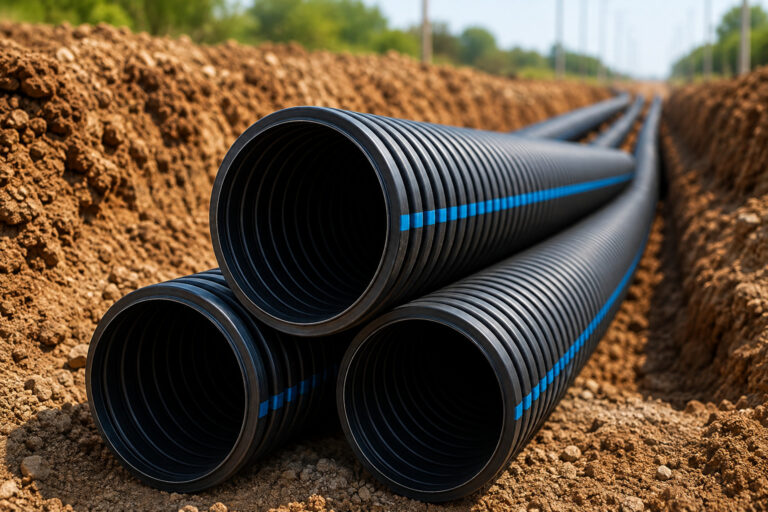
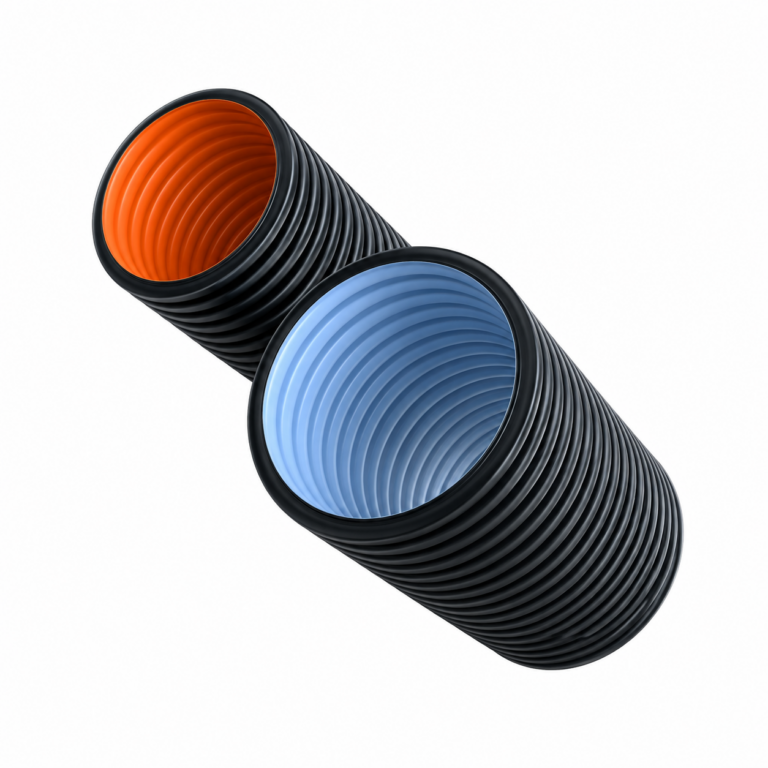
DWC pipes, also known as Double Wall Corrugated pipes, are specially designed plastic pipes featuring two distinct wall structures. The outer wall has a corrugated design that provides structural strength, while the inner wall is smooth to support convenient cable insertion and pulling.
These pipes are commonly manufactured using high-density polyethylene (HDPE) and are used in underground drainage, electrical ducting, and telecommunications infrastructure, depending on their specifications.
Their lightweight construction, durability, and installation flexibility make them a practical choice for protecting underground utility networks.
How DWC Pipes Improve Underground Cable Protection
1. Protection Against External Physical Damage
Underground cables can be exposed to external pressure from soil, construction activities, road traffic, and nearby infrastructure work.
DWC pipes provide a protective enclosure around cables, helping reduce the risk of direct physical damage. Their corrugated outer structure offers additional resistance to external loads when the pipe is selected according to the required load and installation conditions.
2. Strong Corrugated Outer Wall
One of the most important features of DWC pipes is their corrugated outer wall.
The structured outer surface provides strength and helps the pipe withstand external pressure in underground installations. This makes DWC pipes suitable for cable protection applications where resistance to soil pressure and other external loads is important.
3. Smooth Inner Surface for Easy Cable Installation
DWC pipes feature a smooth internal surface that supports easier cable pulling and installation.
This design helps reduce friction during cable insertion and makes it convenient to install cables over suitable pipeline routes. It can also simplify future cable replacement and additional cable installation when adequate capacity is available.
4. Resistance to Moisture and Environmental Conditions
Underground cable networks are exposed to different environmental conditions, including soil moisture and groundwater.
DWC pipes act as a protective barrier between cables and the surrounding environment. Their resistance to moisture and corrosion helps provide additional protection for underground cable installations.
However, the overall protection depends on suitable pipe joints, sealing arrangements, and installation practices.
5. Flexibility for Different Installation Requirements
Underground cable routes often include curves, uneven surfaces, and different site conditions.
DWC pipes offer flexibility that helps accommodate various underground installation layouts. This can make them useful for electrical and telecommunications networks where cable routing needs to follow specific project requirements.
6. Lightweight Construction and Easy Handling
Compared with many conventional piping materials, DWC pipes are lightweight and easier to transport and handle.
Their lightweight construction helps simplify loading, unloading, positioning, and installation at project sites. This can reduce handling effort and support faster installation in suitable applications.
7. Long-Term Protection for Underground Utility Networks
Underground cables are often installed as part of long-term infrastructure projects. Repairing damaged underground cables can involve excavation, additional labour, and service interruptions.
DWC pipes help protect cables from several external risks and support organized underground utility installations. Selecting the correct pipe specifications and ensuring proper installation can contribute to dependable long-term cable protection.
Major Applications of DWC Pipes
DWC pipes are widely used in different infrastructure and utility projects.
1. Electrical Cable Protection
DWC pipes provide a protective pathway for underground electrical cables. They help reduce exposure to external physical damage during underground installation and operation.
2. Telecom Cable Networks
Telecommunication infrastructure requires organized underground cable routing. DWC pipes help protect communication cables and support the development of underground telecom networks.
3. Fiber Optic Cable Installation
Fiber optic networks require suitable protective ducting to reduce the risk of physical damage during installation and throughout their service life. DWC pipes can be used for these applications when their specifications meet project requirements.
4. Road and Highway Infrastructure
Underground utility networks are commonly installed along roads and highways. DWC pipes provide protective pathways for cables installed beneath roads, footpaths, and other infrastructure areas.
5. Industrial Infrastructure
Industrial facilities require organized cable management systems for electrical and communication networks. DWC pipes help create structured underground cable routes across industrial premises.
Important Factors to Consider When Choosing DWC Pipes
Selecting the right DWC pipes is important for achieving reliable underground cable protection. Consider these factors before choosing a product:
- Pipe Diameter: Select a suitable diameter according to the number and size of cables.
- Ring Stiffness: Check the required ring stiffness based on soil conditions, installation depth, and external loading.
- Material Quality: Choose pipes manufactured using suitable raw materials and quality-controlled processes.
- Wall Structure: Ensure the corrugated outer wall and smooth inner wall meet the intended application requirements.
- Installation Conditions: Consider trench depth, soil type, road loading, and cable routing requirements.
- Product Standards: Verify applicable quality standards and project specifications before purchasing.
Choosing suitable DWC pipes can help improve underground cable protection and support efficient infrastructure development.
Why DWC Pipes Are a Practical Choice for Modern Infrastructure
As electricity distribution, telecommunications, and internet connectivity continue to expand, the need for dependable underground cable protection is increasing.
DWC pipes offer several practical benefits, including structural strength, flexibility, lightweight construction, and a smooth internal surface. Their double-wall design makes them suitable for different underground utility applications.
They also support organized cable routing, which can simplify infrastructure planning and future maintenance activities.
Conclusion
DWC pipes play an important role in improving underground cable protection by providing a strong and reliable protective pathway for electrical, telecom, and fiber optic cables. Their corrugated outer wall offers structural strength, while the smooth inner wall supports convenient cable installation.
With advantages such as flexibility, lightweight construction, and resistance to corrosion, DWC pipes are a practical choice for modern underground infrastructure projects.
Selecting the right DWC pipe according to project requirements and ensuring proper installation can help develop safer, more organized, and dependable underground cable networks.