Modern infrastructure depends on reliable underground systems for communication cables, electrical networks, drainage, and utility services. As cities and industrial areas continue to expand, protecting underground infrastructure from external damage has become an important part of project planning. Double Wall Corrugated (DWC) pipes provide a practical solution for applications where strength, flexibility, and dependable underground performance are required.
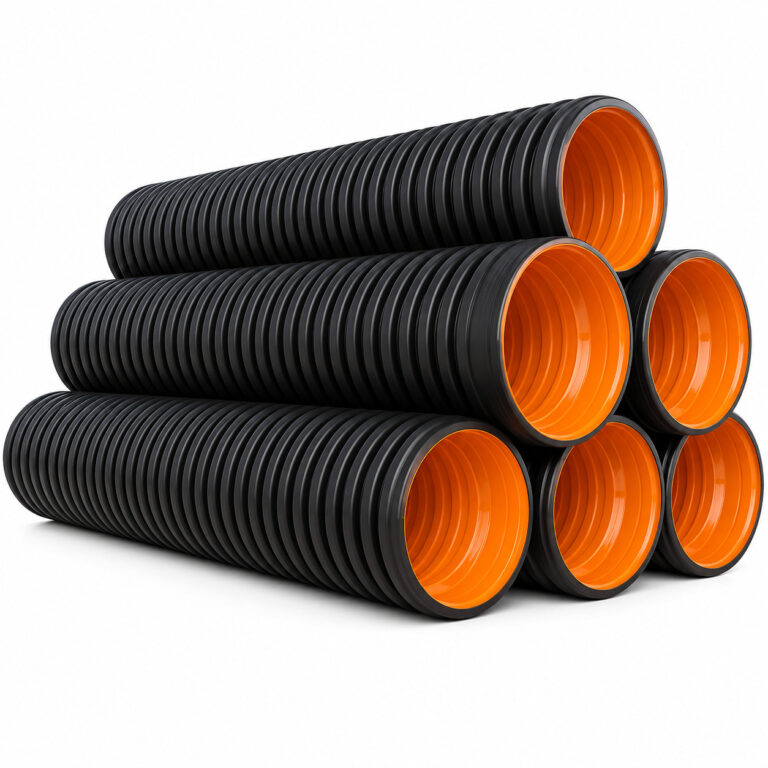
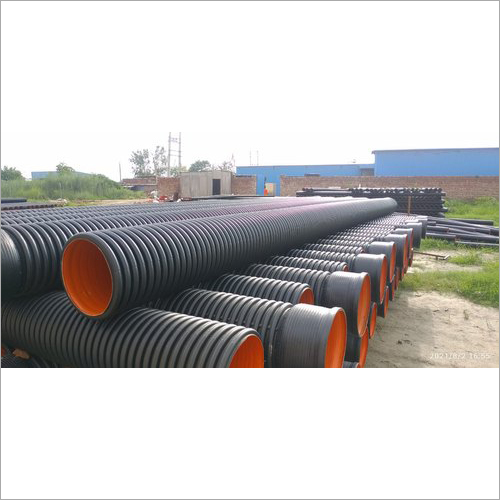
DWC pipes are manufactured with a corrugated outer wall and a comparatively smooth inner wall. This dual-wall construction gives the pipe structural strength while maintaining a smooth internal passage for cables or drainage flow. Because of this combination, DWC pipes are widely considered for cable protection, underground utility networks, drainage systems, and infrastructure projects.
Jagannath Industries provides DWC pipe solutions for projects that require reliable underground protection and efficient utility management. The suitability of a DWC pipe depends on the application, installation conditions, pipe specifications, and relevant project standards.
What Are DWC Pipes?
DWC stands for Double Wall Corrugated. These pipes feature two distinct layers designed to perform different functions.
The outer corrugated wall provides structural strength and helps the pipe withstand external conditions. The inner wall is smoother, creating a suitable pathway for cable installation or fluid movement, depending on the intended application.
This construction gives DWC pipes a useful balance between strength and flexibility. They can be used in underground installations where conventional rigid piping may not provide the same combination of handling convenience and structural performance.
DWC Pipes for Cable Protection
Underground fiber-optic, telecommunications, electrical, and other utility cables require protection from soil pressure, construction activity, moisture, and accidental external impact. DWC pipes can act as a protective pathway around cables, helping create an organized and secure underground network.
For telecom and fiber-optic projects, cable protection is particularly important because repair or replacement of buried cables can be difficult and expensive. Installing cables through a suitable ducting system can provide an additional layer of protection and help simplify future maintenance or cable replacement.
DWC pipes can be used in applications such as:
- Fiber-optic cable networks
- Telecommunication infrastructure
- Electrical cable protection
- Underground utility networks
- Road and highway infrastructure
- Industrial cable installations
- Commercial and residential developments
- Smart-city infrastructure projects
The correct pipe size and specification should be selected according to cable dimensions, installation depth, external loading, route conditions, and project requirements.
DWC Pipes for Drainage Systems
DWC pipes are also used in suitable underground drainage applications. Their structural design makes them useful where a drainage pipeline needs to withstand external ground conditions while providing an effective flow path.
The smooth inner surface can support the movement of water and other suitable drainage flows. The corrugated outer wall contributes to the pipe’s ability to handle external loads when correctly installed.
Drainage applications may include:
- Stormwater management
- Underground drainage networks
- Roadside drainage
- Agricultural drainage
- Commercial site drainage
- Industrial drainage infrastructure
- Rainwater management systems
- Utility and infrastructure projects
Drainage pipe selection should take into account expected flow, installation depth, soil conditions, loading requirements, pipe diameter, and applicable standards.
Why DWC Pipes Are Suitable for Underground Infrastructure
Underground installations present several challenges. Pipes may be exposed to soil pressure, traffic loads, moisture, ground movement, and construction activity. A suitable pipe must therefore provide an appropriate combination of structural performance and installation flexibility.
DWC pipes offer several practical characteristics that make them suitable for many underground projects.
Strong Corrugated Outer Wall
The corrugated outer structure provides mechanical strength and helps the pipe withstand external loads when the installation is properly designed.
Smooth Inner Surface
The smoother internal wall provides a convenient pathway for cables and can support efficient flow in suitable drainage applications.
Lightweight Construction
DWC pipes can be easier to transport and handle than many heavier conventional pipe materials. This can help improve handling efficiency at project sites.
Installation Flexibility
Their relatively flexible construction can make DWC pipes practical for routes that require controlled changes in alignment or installation around existing infrastructure.
Efficient Cable Management
For cable protection projects, DWC pipes help create dedicated pathways that can keep underground cables organized and separated from surrounding soil.
Practical Infrastructure Solution
The combination of structural strength, handling convenience, and application versatility makes DWC pipes useful across a wide range of underground infrastructure projects.
DWC Pipes for Fiber-Optic Networks
The rapid growth of broadband and digital communication has increased the demand for dependable underground cable infrastructure. Fiber-optic cables are sensitive components that require appropriate protection during installation and throughout their service life.
DWC pipes can provide a dedicated underground pathway for fiber-optic cables. By separating the cable from direct contact with surrounding soil, the duct can help reduce exposure to external mechanical damage.
For telecom projects, planning should consider cable capacity, duct diameter, route length, installation method, bend requirements, access points, and future expansion needs.
A well-designed ducting system can also make future network upgrades more manageable. Additional cables may be installed through planned pathways without requiring extensive excavation, depending on the system design.
DWC Pipes in Road and Highway Projects
Road construction and expansion projects often require underground pathways for electrical, telecommunications, lighting, signaling, and other utility services. Installing suitable ducting before or during road development can reduce the need for repeated excavation.
DWC pipes can be considered for these applications because they are designed for underground use and can provide a protective route for utility cables.
Before installation under roads or areas exposed to heavy traffic, the pipe’s load-bearing requirements, burial depth, bedding, backfilling, and applicable installation standards should be carefully evaluated.
DWC Pipes for Modern Drainage Infrastructure
Effective drainage is essential for protecting roads, buildings, industrial facilities, and developed land from excess water. Poorly designed drainage can contribute to waterlogging, erosion, structural problems, and disruption of daily operations.
DWC pipes can form part of an underground drainage network where their structural characteristics and flow capacity meet the requirements of the project.
For drainage design, engineers should consider rainfall intensity, expected discharge, pipe diameter, gradient, connection arrangements, soil conditions, and maintenance access. Selecting the correct pipe based on these factors helps create a more reliable drainage network.
How to Select the Right DWC Pipe
Not every DWC pipe is suitable for every project. Product selection should be based on the actual conditions in which the pipe will be installed.
1. Determine the Application
First identify whether the pipe will be used for cable protection, drainage, utility infrastructure, or another approved application. Different uses can have different technical requirements.
2. Select the Correct Diameter
The required diameter depends on cable size and quantity for cable applications or expected flow requirements for drainage systems.
3. Consider Installation Depth
Burial depth influences the external load placed on an underground pipe. The selected product should be appropriate for the expected installation conditions.
4. Evaluate External Loads
Roads, parking areas, industrial yards, and other locations can subject underground pipes to higher external loads. The installation design and pipe specifications should account for these conditions.
5. Check Project Standards
Product dimensions, material properties, performance requirements, and installation practices should comply with the relevant project specifications and applicable standards.
Proper DWC Pipe Installation
Even a high-quality pipe requires correct installation to perform effectively. Poor trench preparation, incorrect bedding, inadequate backfilling, or unsuitable joining practices can affect the performance of an underground pipeline.
A typical installation process may involve preparing the route, excavating the trench to the required dimensions, preparing the bedding, positioning the pipe, making suitable connections, and completing backfilling in accordance with the project design.
For cable protection systems, the duct route should be planned carefully to avoid unnecessary bends and provide appropriate access for cable installation. For drainage systems, maintaining the required gradient is particularly important for achieving the intended flow performance.
Installation procedures should always follow the manufacturer’s recommendations, engineering specifications, and applicable local standards.
DWC Pipes and Long-Term Maintenance
One of the advantages of a well-designed underground duct or drainage system is the ability to provide organized infrastructure that can be maintained with appropriate planning.
For cable applications, clearly documented duct routes and access points can make future cable installation, inspection, or replacement more manageable. For drainage systems, suitable inspection and maintenance arrangements can help identify blockages or other issues.
Regular maintenance requirements will depend on the application and site conditions. Drainage systems may require periodic inspection and cleaning, while cable ducts may need inspection during network expansion or maintenance activities.
Applications Across Infrastructure Projects
DWC pipes can support a wide range of modern infrastructure requirements. Common applications include:
- Fiber-optic cable protection
- Telecom ducting systems
- Electrical cable protection
- Underground utility networks
- Road and highway projects
- Stormwater drainage
- Rainwater management
- Agricultural drainage
- Industrial infrastructure
- Commercial development projects
- Residential infrastructure
- Smart-city utility networks
Their application versatility makes DWC pipes a useful option for contractors, infrastructure developers, telecom companies, utility providers, and civil engineering projects.
Choosing a Reliable DWC Pipe Manufacturer
Product quality and consistency are important when selecting pipes for underground infrastructure. Dimensional accuracy, material quality, structural performance, and compliance with project specifications can influence the reliability of the completed installation.
Working with an experienced manufacturer can help project teams select suitable products based on application requirements. Clear technical information is particularly valuable for large infrastructure projects where product selection affects installation planning and long-term system performance.
Jagannath Industries manufactures and supplies piping and ducting solutions for infrastructure requirements, including DWC pipe applications for cable protection and drainage systems. The company focuses on providing products suited to the practical requirements of modern underground infrastructure projects.
DWC Pipes and the Future of Underground Infrastructure
As communication networks expand and urban infrastructure becomes increasingly complex, underground utility management is becoming more important. Fiber-optic networks, electrical systems, drainage infrastructure, and other services require organized pathways that can support long-term development.
DWC pipes can contribute to this approach by providing dedicated underground pathways for cables and suitable drainage applications. Their combination of a corrugated outer structure and smooth internal surface makes them adaptable to different infrastructure requirements.
Future-ready infrastructure also requires consideration of expansion. Designing duct routes with additional capacity can make it easier to accommodate future cables or utility upgrades without extensive excavation.
Conclusion
Double Wall Corrugated pipes provide a practical solution for many underground cable protection and drainage applications. Their dual-wall construction combines the structural benefits of a corrugated exterior with a smoother internal pathway, making them suitable for a variety of infrastructure requirements.
From fiber-optic and telecommunications networks to electrical cable protection, stormwater management, and underground drainage, DWC pipes can support modern infrastructure when correctly selected and installed.
The right product should always be chosen according to the application, pipe diameter, installation depth, external loading, environmental conditions, and applicable standards. Proper trench preparation, installation, joining, and maintenance are equally important for achieving dependable performance.
Jagannath Industries offers DWC pipe solutions for cable protection, drainage, and underground infrastructure applications. With appropriate product selection and professional installation practices, DWC piping can help create organized, durable, and efficient underground networks for today’s infrastructure needs.