Water transportation is an essential part of residential, agricultural, industrial, and infrastructure development. A reliable pipeline system helps deliver water safely and efficiently while minimizing leakage, maintenance, and operational costs. Choosing the right piping material is therefore important for building a durable water distribution network.
HDPE (High-Density Polyethylene) pipes have become a preferred choice for many water transportation applications because of their flexibility, corrosion resistance, strength, and long service life. Their ability to perform under different operating conditions makes them suitable for underground water supply, agricultural irrigation, industrial water distribution, and municipal pipeline projects.
What Are HDPE Pipes?
HDPE pipes are manufactured using high-density polyethylene, a thermoplastic material known for its strength, durability, and resistance to environmental conditions. These pipes are designed to transport water through dependable pipeline networks.
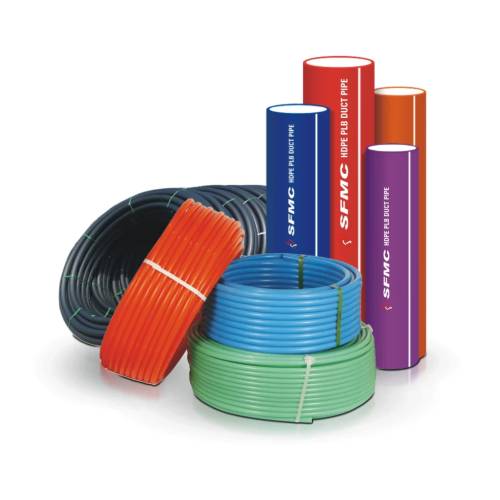
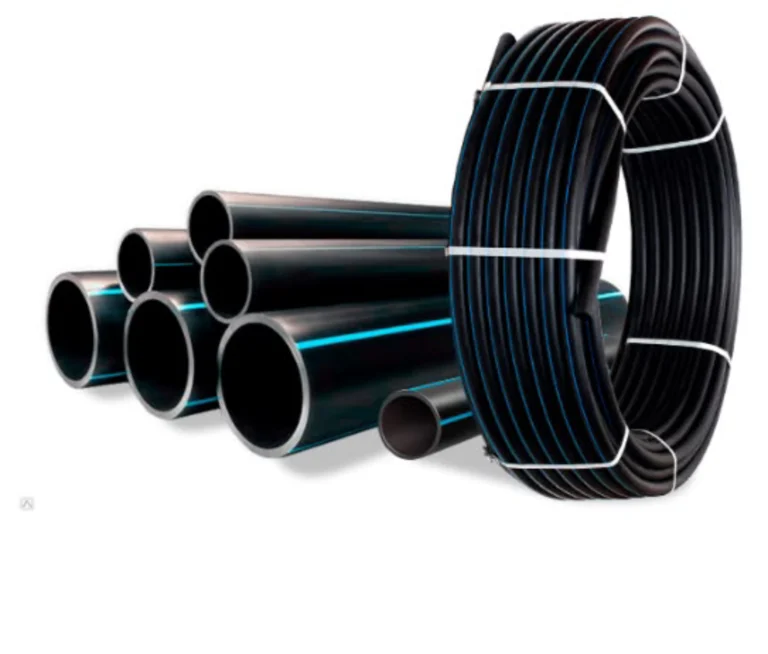
Their lightweight construction and flexible structure make transportation, handling, and installation easier compared to many conventional piping materials. HDPE pipes are also available in different diameters and pressure ratings to meet various project requirements.
Key Reasons Why HDPE Pipes Are Ideal for Long-Lasting Water Transportation
1. Excellent Corrosion Resistance
One of the major advantages of HDPE pipes is their resistance to corrosion. Unlike conventional metal pipes, they do not rust when exposed to moisture or soil conditions.
This property makes them suitable for underground water transportation systems, where pipes remain in contact with surrounding soil for extended periods. Their corrosion-resistant structure helps maintain pipeline reliability and reduces the need for frequent repairs.
2. Long Service Life
HDPE pipes are designed to provide long-term performance when selected, installed, and operated according to recommended standards.
Their resistance to corrosion, chemical exposure, and common environmental stresses helps extend the lifespan of water distribution systems. Proper installation and operating pressure are important factors in achieving their expected service life.
3. Flexibility and High Impact Resistance
HDPE pipes offer excellent flexibility, allowing them to accommodate certain ground movements and changes in installation conditions.
Their impact-resistant properties also help reduce the risk of damage during transportation, handling, and installation. This makes them useful for projects involving underground pipelines and challenging terrain.
4. Leak-Resistant Jointing System
Leakage can lead to water loss, increased maintenance expenses, and reduced distribution efficiency.
HDPE pipes can be joined using suitable heat-fusion techniques, such as butt fusion and electrofusion. Properly executed fusion joints create strong, continuous connections that help minimize leakage risks across the pipeline network.
5. Smooth Internal Surface for Efficient Water Flow
The smooth internal surface of HDPE pipes helps reduce friction during water transportation.
Lower internal friction can support efficient water flow and reduce pressure losses compared with rougher pipe surfaces of similar dimensions. This characteristic makes HDPE pipes a practical option for water distribution and pumping applications.
6. Lightweight and Easy Installation
HDPE pipes are relatively lightweight, making them easier to transport, handle, and position at project sites.
Their flexibility can also simplify installation in certain conditions and reduce the need for multiple fittings. These features can help save installation time and reduce handling requirements.
7. Resistance to Chemical Exposure
HDPE pipes offer good resistance to many chemicals and substances commonly encountered in soil and water transportation environments.
This makes them suitable for a variety of industrial and infrastructure applications. However, chemical compatibility should always be checked according to the specific substance, concentration, and operating temperature.
8. Lower Maintenance Requirements
Because HDPE pipes resist corrosion and can be joined through reliable fusion methods, they generally require less routine maintenance than some traditional piping systems.
Fewer leakage problems and reduced corrosion-related damage can help lower long-term maintenance requirements when the pipeline is properly designed and installed.
Common Applications of HDPE Pipes in Water Transportation
HDPE pipes are used across several sectors because of their versatile performance and installation benefits.
Agricultural Irrigation: HDPE pipes help transport water to agricultural fields and support irrigation networks for different farming requirements.
Municipal Water Supply: They are used in water distribution networks to transport treated water to residential and commercial areas.
Industrial Water Transportation: Industries use HDPE pipes for various water supply, process water, and utility pipeline requirements, subject to material compatibility.
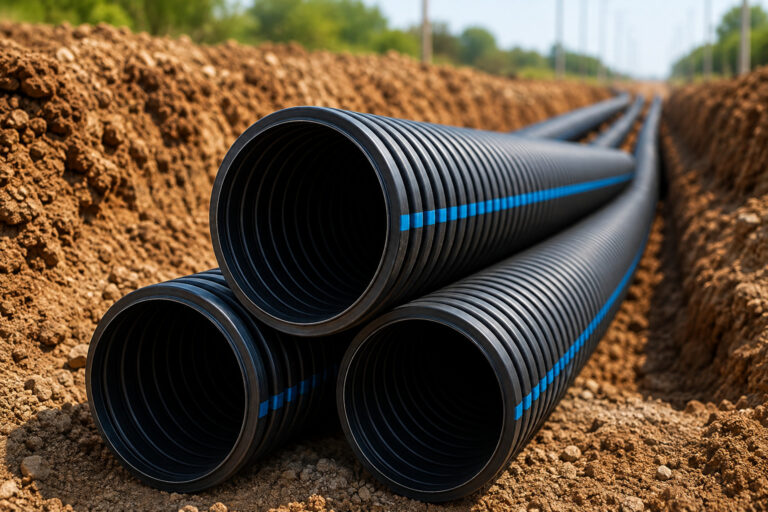
Underground Water Pipelines: Their corrosion resistance and flexibility make them suitable for underground water transportation projects.
Infrastructure Development: HDPE pipes support water distribution requirements in construction projects, commercial developments, and public infrastructure.
HDPE Pipes vs Traditional Piping Materials
Different piping materials offer different advantages. HDPE pipes stand out because of their flexibility, corrosion resistance, and fusion-jointing capabilities.
| Feature | HDPE Pipes | Traditional Metal Pipes |
|---|---|---|
| Corrosion resistance | Excellent | May corrode |
| Flexibility | High | Generally lower |
| Weight | Lightweight | Generally heavier |
| Jointing | Heat fusion | Often threaded, welded or mechanical |
| Maintenance | Generally low | Can require corrosion-related maintenance |
| Impact resistance | Good | Depends on material |
The right material depends on project requirements, water quality, pressure, temperature, installation conditions, and applicable standards.
Factors to Consider When Choosing HDPE Pipes
Before selecting HDPE pipes for a water transportation project, consider the following factors:
- Pipe Diameter: Select the appropriate diameter based on the required water flow and system design.
- Pressure Rating: Choose the correct pressure class according to operating and surge pressure requirements.
- Material Quality: Check the raw material quality and applicable manufacturing standards.
- Installation Requirements: Consider soil conditions, installation depth, jointing methods, and site requirements.
- Manufacturer Reliability: Select a manufacturer that follows appropriate quality control and product testing procedures.
- Application Suitability: Ensure the selected pipe meets the requirements of the intended water transportation system.
Making the right selection can improve pipeline performance and help ensure dependable water distribution over the long term.
Why Choose Jagannath Industries for HDPE Pipes?
Jagannath Industries focuses on providing dependable piping and ducting solutions for infrastructure, industrial, and utility applications. With an emphasis on product quality and practical application requirements, the company serves customers looking for reliable HDPE piping solutions.
HDPE pipes are an important part of modern water transportation infrastructure because of their durability, flexibility, corrosion resistance, and efficient installation characteristics.
For projects requiring dependable water distribution solutions, choosing suitable HDPE pipes from an experienced manufacturer can make a meaningful difference in long-term pipeline performance.
Explore our HDPE Pipes to learn more about our product range and solutions.
Conclusion
HDPE pipes are an effective choice for long-lasting water transportation because they combine corrosion resistance, flexibility, impact resistance, leak-resistant jointing, and low maintenance requirements. These features make them suitable for agricultural, municipal, industrial, and underground water supply applications.
As infrastructure and water management requirements continue to grow, HDPE pipes offer a practical solution for developing reliable and efficient pipeline networks. Selecting the right pipe specifications and ensuring proper installation are essential for achieving long-term performance.