The rapid expansion of digital connectivity has changed the way communication infrastructure is planned and developed. Fiber optic networks, broadband connections, telecom systems, smart-city projects, and other communication services all require dependable underground infrastructure to support the growing demand for data.
As networks expand, managing multiple cables through underground routes can become challenging. Installing individual ducts for every cable route may require additional space, more installation work, and greater coordination during construction. HDPE Multi Duct Pipes provide a practical approach by combining multiple individual cable pathways within a single duct system.
Available in configurations such as 2 Way, 4 Way, and 7 Way, multi duct solutions can help organize different communication cables while providing a structured pathway for underground network development. This makes them particularly useful for telecom contractors, fiber infrastructure developers, utility projects, and communication network planners.
What Are HDPE Multi Duct Pipes?
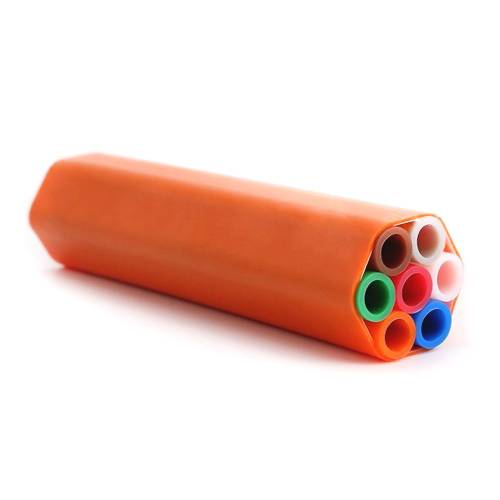
HDPE Multi Duct Pipes are specially designed duct systems that contain multiple separate internal pathways. Each pathway can be used for routing a cable or cable group, depending on the project’s design and technical requirements.
The multi-channel arrangement allows several cable routes to be managed within one overall duct structure. Instead of installing multiple separate ducts side by side, contractors can use a multi duct configuration to create a more organized underground installation.
The use of HDPE provides a combination of flexibility and mechanical strength that is suitable for many underground infrastructure applications.
The number of pathways can be selected according to project requirements. A smaller network may require a 2-way configuration, while larger projects may benefit from 4-way or 7-way arrangements.
Why Organized Cable Infrastructure Matters
Modern communication projects can involve several types of cables and multiple network routes. Without proper planning, underground cable infrastructure can become difficult to identify, maintain, and expand.
An organized ducting system provides defined pathways for cables and helps project teams manage underground infrastructure more efficiently.
Multi duct systems can also support future planning. When additional communication capacity is required, having multiple pathways available can provide greater flexibility than a single-pathway duct arrangement.
For large telecom and fiber optic projects, this type of organization can be especially valuable.
Understanding 2 Way, 4 Way and 7 Way Multi Duct Pipes
Different projects have different cable-routing requirements. HDPE Multi Duct Pipes are therefore available in multiple configurations.
2 Way HDPE Multi Duct
A 2-way multi duct provides two separate internal pathways within one duct system. It can be suitable for projects where two independent cable routes are required.
This configuration can help maintain separation between cable routes while keeping the overall installation organized.
4 Way HDPE Multi Duct
A 4-way configuration provides four individual pathways. It can be useful for projects involving several fiber optic or communication cable routes.
The additional pathways provide greater flexibility for network planning and can help reduce the need to install several separate ducts.
7 Way HDPE Multi Duct
A 7-way multi duct provides seven separate pathways and is particularly useful where multiple cable routes need to be accommodated within a planned underground corridor.
This configuration can be considered for larger telecom infrastructure, fiber optic networks, and projects where future network expansion is part of the planning process.
Key Benefits of HDPE Multi Duct Pipes
1. Multiple Cable Pathways
The primary advantage of a multi duct system is the availability of several independent cable pathways within one overall duct arrangement.
This allows project planners to allocate different pathways according to cable type, network section, or future requirements.
2. Better Underground Organization
Multiple cable routes can be managed in a structured manner. This can make it easier to understand the layout of underground communication infrastructure during future maintenance or expansion work.
3. Efficient Use of Installation Space
Combining multiple pathways into one duct system can help optimize available underground space. This can be useful in locations where several utilities share a limited corridor.
4. Supports Future Network Expansion
Not every duct pathway has to be used immediately. Depending on the project design, available pathways can provide room for future cable installation and network upgrades.
This makes multi duct systems particularly useful for infrastructure that is expected to grow over time.
5. HDPE Construction
HDPE provides flexibility and strength for suitable underground applications. Its characteristics make it a practical material for cable ducting systems used in telecom and utility infrastructure.
6. Simplified Network Planning
A multi duct configuration can help project teams plan several cable routes within one coordinated system rather than treating every pathway as an entirely separate installation.
Applications of HDPE Multi Duct Pipes
HDPE Multi Duct Pipes can be used across a variety of communication and infrastructure projects.
Fiber Optic Networks
Fiber optic networks require carefully planned cable pathways. Multi duct systems can provide separate routes for different fiber cables or network segments.
Telecom Infrastructure
Telecom projects often involve several communication routes. A multi duct system can help organize these pathways within a structured underground installation.
FTTH Networks
Fiber-to-the-home networks require extensive cable distribution across residential and commercial areas. Multi duct systems can support organized cable routing for expanding FTTH infrastructure.
Broadband Networks
As broadband coverage grows, underground fiber routes need suitable infrastructure. Multi duct pipes can provide multiple pathways for network deployment and expansion.
Smart-City Projects
Smart-city infrastructure can include communication networks, monitoring systems, data connectivity, and other digital services. Multiple duct pathways can help support the infrastructure required for these systems.
Highway and Road Infrastructure
Communication cables are increasingly installed along roads and highways. Multi duct systems can provide organized cable routes within underground utility corridors.
Railway Communication Systems
Railway infrastructure depends on communication and signaling networks. Suitable multi duct arrangements can help create structured underground pathways for these systems.
HDPE Multi Duct Pipes for Fiber Optic Cable Protection
Fiber optic cables are designed for high-speed data transmission, but they still require suitable physical protection during underground installation.
A duct system helps create a defined route between network points and provides a physical separation between the cable and surrounding ground conditions.
Multi duct pipes add another advantage by creating separate pathways within a single installation. This can help reduce cable congestion and make individual cable routes easier to manage.
For projects involving several fiber routes, this organization can contribute to more efficient infrastructure planning.
How Multi Duct Systems Support Network Expansion
Telecom infrastructure is rarely static. New customers, additional services, higher bandwidth requirements, and network upgrades can create demand for additional cable capacity.
Planning for future expansion during the initial infrastructure installation can reduce the need for disruptive construction later.
A 4-way or 7-way multi duct system, for example, may provide additional pathways that can be used as network requirements increase.
The appropriate configuration depends on the project’s current requirements, expected expansion, available space, and engineering design.
Choosing Between 2 Way, 4 Way and 7 Way
The right multi duct configuration depends on the number of cable pathways required and the expected future needs of the project.
A 2-way system may be appropriate when only a limited number of routes are required.
A 4-way system can provide additional flexibility for projects involving several cable routes.
A 7-way system may be more suitable for larger infrastructure projects where multiple pathways and future expansion are important considerations.
Before selecting a configuration, project teams should evaluate cable requirements, installation space, network architecture, future capacity, and applicable project specifications.
Important Factors When Selecting HDPE Multi Duct Pipes
Choosing a multi duct system involves more than selecting the number of pathways. Several technical and practical factors should be considered.
Cable Compatibility
The internal pathway dimensions should be suitable for the intended cable type and installation method.
Project Layout
The number of cable routes and their intended destinations should be reviewed during the planning stage.
Installation Conditions
Ground conditions, trench dimensions, bends, access points, and other site factors can influence the choice of ducting.
Future Capacity
If a network is expected to expand, additional unused pathways can provide valuable flexibility.
Handling and Transportation
The selected duct should be practical to transport, handle, store, and install at the project site.
Project Specifications
Product dimensions and technical characteristics should match the requirements established by the project engineer or infrastructure authority.
Installation Considerations
Proper installation is essential for achieving the intended performance of underground ducting.
Before installation, the route should be inspected and prepared according to project requirements. Sharp objects, debris, and unsuitable trench conditions should be addressed before the duct is placed.
During laying, care should be taken to avoid unnecessary damage or deformation. The recommended bending limits should be followed when routing the duct around changes in direction.
The internal pathways should also be kept clean and protected from dirt, water, and debris before cable installation.
After installation, the duct route should be documented where required. Accurate route records can be useful for future maintenance and network expansion activities.
Importance of Proper Cable Separation
One of the useful features of a multi duct system is the ability to maintain separate pathways for different cables.
For example, project planners may allocate different pathways to different network sections or future expansion requirements.
This type of separation can make underground infrastructure easier to manage and reduce the possibility of confusion during maintenance activities.
The actual cable allocation should always follow the project’s network design and technical requirements.
HDPE Multi Duct Pipes and Underground Infrastructure
Underground infrastructure projects often involve limited space and multiple utilities. Water lines, electrical systems, drainage networks, communication cables, and other services may share the same general area.
Careful planning is therefore essential.
Multi duct systems can help create a more structured pathway for communication cables while allowing engineers and contractors to coordinate underground infrastructure more effectively.
The duct configuration, installation depth, separation from other utilities, and protective measures should be determined according to local regulations and project specifications.
Quality Considerations for Multi Duct Systems
Once installed underground, replacing a duct can be expensive and disruptive. For this reason, product quality should be considered carefully before procurement.
Important characteristics can include consistent dimensions, suitable HDPE material, properly formed internal pathways, surface quality, flexibility, and overall manufacturing consistency.
Project buyers should review product specifications and ensure that the selected multi duct system is appropriate for the intended cable and installation conditions.
A reliable manufacturer can also help buyers understand product configurations and select a suitable solution for their project.
HDPE Multi Duct Pipe Manufacturer in India
India’s expanding digital infrastructure is creating increasing demand for organized underground cable networks. Telecom operators, infrastructure developers, contractors, and network planners require ducting solutions that can accommodate both present and future connectivity requirements.
Jagannath Industries provides HDPE Multi Duct Pipe solutions in 2-way, 4-way, and 7-way configurations for telecom and underground cable infrastructure applications.
The multi duct range is designed to support organized cable routing and protection for communication infrastructure projects.
Depending on project requirements, multi duct systems can be considered for fiber optic networks, telecom routes, FTTH deployments, broadband infrastructure, road projects, railway communication systems, and other underground communication applications.
Why Choose HDPE Multi Duct Pipes for Telecom Projects?
The growing demand for connectivity means that telecom infrastructure must be planned with both current and future requirements in mind.
HDPE Multi Duct Pipes provide several pathways within a coordinated duct system, making them useful where multiple cable routes need to be organized within a limited underground corridor.
The availability of 2-way, 4-way, and 7-way configurations allows project teams to select a setup according to the scale and complexity of their network.
By providing dedicated pathways, multi duct systems can help improve cable organization, support network expansion, and create a more structured underground infrastructure.
Planning a Future-Ready Fiber Network
A good telecom network is designed not only for today’s requirements but also for tomorrow’s growth.
Before installing underground ducting, infrastructure planners should consider the number of cables currently required, possible future routes, network expansion plans, available installation space, and maintenance requirements.
Choosing an appropriate multi duct configuration at the planning stage can provide additional flexibility as network requirements change.
For growing fiber infrastructure, this forward-looking approach can help reduce the need for repeated excavation and make future cable deployment more manageable.
HDPE Multi Duct Pipes for Modern Telecom Infrastructure
The continued growth of fiber optic and communication networks is increasing the importance of organized underground infrastructure.
HDPE Multi Duct Pipes (2/4/7 Way) provide multiple dedicated pathways within a coordinated duct system, making them a practical option for projects that require efficient cable organization, protection, and future expansion.
From FTTH and broadband networks to highway communication routes and smart-city infrastructure, multi duct systems can support a wide range of modern connectivity applications.
For contractors, infrastructure developers, and network planners, selecting the right multi duct configuration can be an important step toward building an organized and scalable underground communication network.
Connect with Jagannath Industries
Jagannath Industries offers HDPE-based ducting and piping solutions for infrastructure applications. For telecom and fiber optic projects, the available 2-way, 4-way, and 7-way HDPE Multi Duct Pipes can help meet different cable-routing requirements.
Project teams can evaluate the appropriate configuration based on cable requirements, installation conditions, network design, and future expansion plans.
To learn more about HDPE Multi Duct Pipes and available configurations, visit the product page and review the specifications for your application