The way people communicate, work, access information, and use digital services is changing rapidly. High-speed internet, fiber-to-the-home (FTTH), enterprise connectivity, smart-city projects, data networks, and modern communication systems all depend on reliable fiber optic infrastructure.
While optical fiber cables are at the heart of these networks, the physical infrastructure surrounding them is equally important. Underground cables need a properly designed pathway that can support installation, provide protection, and make future maintenance more manageable. This is why HDPE PLB Duct Pipe has become an important solution for many telecom and fiber optic infrastructure projects.
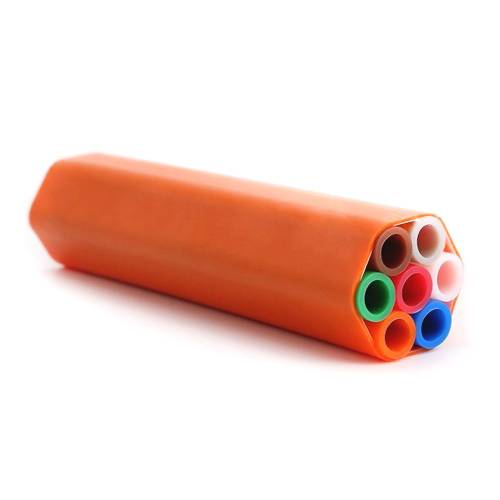
Designed with a durable HDPE outer layer and a low-friction internal surface, PLB ducting provides a practical pathway for optical fiber cable installation. Its flexibility, strength, and installation-friendly construction make it suitable for different underground communication applications.
Understanding HDPE PLB Duct Pipe
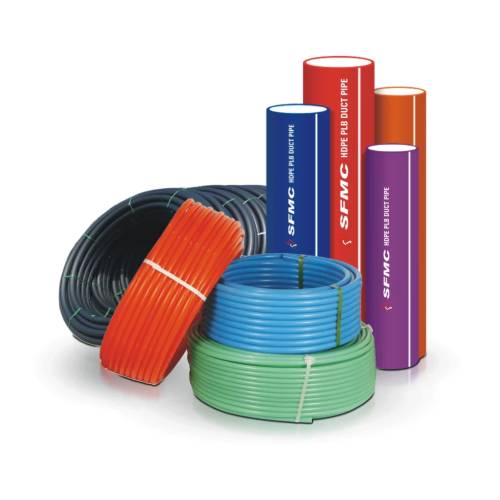
HDPE PLB Duct Pipe is a polyethylene duct developed primarily for optical fiber and communication cable applications. The term PLB refers to a permanently lubricated bore, which describes the low-friction inner surface of the duct.
The internal surface is designed to allow cables to move more easily through the duct during installation. This characteristic is particularly useful when fiber optic cables are installed using blowing or other suitable cable deployment techniques.
The outer HDPE construction provides the duct with a combination of strength and flexibility. Together, the inner and outer layers create a protective pathway for communication cables in underground environments.
Unlike a basic conduit that simply provides an enclosed passage, PLB ducting is designed with cable installation efficiency in mind. This makes it a practical component of modern fiber network infrastructure.
Why Underground Fiber Networks Need Proper Ducting
Fiber optic cables are highly effective for transmitting large volumes of data over long distances. However, the cables still need appropriate physical protection after they are installed.
Underground routes can be exposed to several external conditions. Soil pressure, construction work, traffic loads, moisture, accidental excavation, and other environmental factors can create challenges for cable infrastructure.
Installing cables inside a suitable duct provides an additional protective layer between the cable and the surrounding environment. It also establishes a defined route for the network, making cable deployment more organized.
For telecom contractors and infrastructure developers, the ducting system should therefore be considered an important part of the overall network design rather than simply an accessory.
How HDPE PLB Duct Supports Fiber Cable Installation
One of the main advantages of PLB ducting is its low-friction inner surface. During cable installation, excessive friction can make cable movement more difficult, particularly on longer routes or installations involving bends.
The specially designed bore of an HDPE PLB Duct Pipe helps provide a smoother internal pathway. This can support more efficient cable installation when the duct and cable are correctly selected for the project.
Cable blowing is commonly associated with PLB duct applications. In suitable installations, compressed air and appropriate equipment can be used to deploy fiber optic cable through the duct. The low-friction internal surface helps facilitate this process.
Proper installation still depends on several factors, including cable specifications, duct dimensions, route design, installation equipment, and recommended operating practices.
Major Benefits of HDPE PLB Duct Pipe
1. Low-Friction Internal Bore
The low-friction inner surface is one of the defining characteristics of PLB ducting. It is designed to support smoother movement of fiber optic cables through the duct.
This can be particularly beneficial for projects involving longer cable routes where installation efficiency is an important consideration.
2. Strong HDPE Outer Construction
The outer layer provides mechanical protection for the internal cable pathway. HDPE is widely used in underground infrastructure because it offers a useful balance between strength, flexibility, and durability.
The appropriate duct specification should always be selected according to project conditions and applicable requirements.
3. Flexible Installation
Fiber routes often need to follow roads, buildings, utility corridors, and other infrastructure. A flexible duct can make route installation more practical in comparison with rigid materials.
HDPE PLB Duct Pipe can accommodate changes in direction within recommended bending limits, helping contractors create organized underground cable routes.
4. Convenient Cable Deployment
The duct’s low-friction bore can support cable-blowing applications where the installation method and project conditions are suitable.
This provides contractors with an installation approach that can be useful for modern fiber optic network deployment.
5. Organized Underground Infrastructure
A dedicated duct pathway helps keep fiber optic cables properly routed and separated from the surrounding soil and other infrastructure.
Organized duct networks can also simplify future maintenance and cable replacement activities.
6. Supports Future Network Development
Telecom requirements can change as demand for connectivity increases. A well-planned duct infrastructure can make future network expansion more manageable.
Depending on the project design, additional cables or network upgrades may be accommodated through planned duct pathways.
Applications of HDPE PLB Duct Pipe
The versatility of HDPE PLB Duct Pipe makes it suitable for several communication and infrastructure applications.
Fiber Optic Networks
Fiber optic networks require protected pathways for cable deployment. PLB ducts can be used to establish underground routes for optical fiber cables in residential, commercial, and infrastructure projects.
FTTH Networks
Fiber-to-the-home projects require extensive cable deployment across streets, residential areas, and buildings. Proper ducting can help organize and protect the fiber route throughout the network.
Telecom Infrastructure
Telecom operators and contractors can use underground ducting to create structured pathways for communication cables. PLB duct systems can support network development across urban and developing areas.
Highway and Road Projects
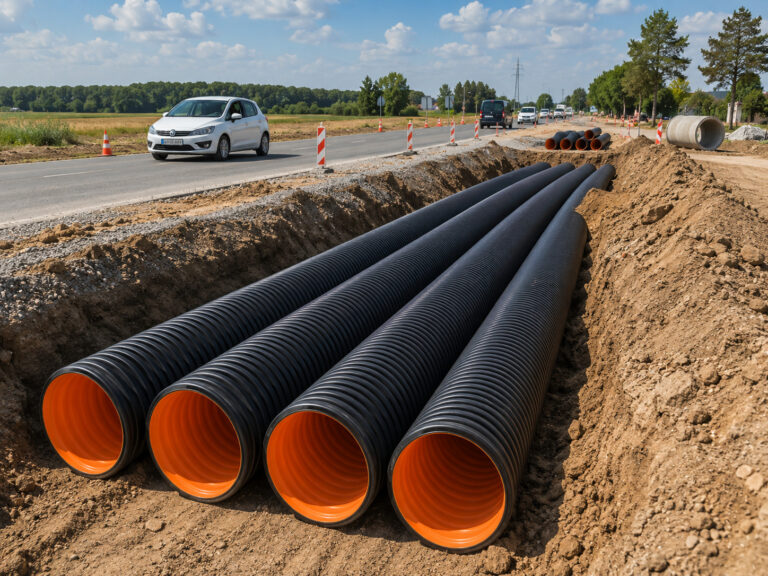
Road infrastructure often includes communication networks alongside other utilities. Underground PLB ducting can provide a dedicated pathway for fiber cables while reducing direct exposure to construction and environmental conditions.
Railway Communication Systems
Modern railway infrastructure depends on communication and signaling networks. Underground cable ducting can be used to establish protected pathways along suitable railway infrastructure routes.
Smart-City Infrastructure
Smart-city projects require extensive communication systems for connectivity, monitoring, public services, and data transmission. Reliable underground duct infrastructure can support these growing communication requirements.
Broadband Networks
As broadband coverage expands, underground fiber infrastructure becomes increasingly important. PLB ducting provides a practical pathway for deploying fiber optic cables across different network environments.
HDPE PLB Duct Pipe and Fiber Optic Cable Protection
Protecting fiber optic cables is not limited to preventing physical damage. A well-designed duct system can also help establish an organized cable pathway that supports installation and maintenance.
When cables are installed directly without suitable protection, future excavation or infrastructure work may create additional risks. A dedicated duct creates a visible and defined infrastructure route that can be considered during future maintenance and construction planning.
For large-scale networks, this organized approach can become particularly valuable because multiple cable routes may exist across the same geographical area.
The choice of duct size, installation depth, route design, and protective measures should be determined according to project requirements and local installation practices.
Role of PLB Duct in Fiber Blowing
Fiber blowing is an installation technique used for deploying optical fiber cables through suitable ducts. Instead of relying entirely on conventional pulling methods, specialized equipment can propel or guide the cable through the duct.
The internal characteristics of a PLB duct are important for this type of installation. A low-friction bore helps reduce resistance as the cable travels through the duct.
However, successful fiber blowing involves more than simply selecting a duct. Cable diameter, duct internal diameter, route length, bends, air pressure, equipment, and installation procedures all influence the process.
Contractors should therefore ensure that the selected HDPE PLB Duct Pipe is compatible with the intended installation method.
Selecting the Appropriate HDPE PLB Duct Pipe
Choosing the correct duct specification is an important part of telecom project planning. A duct should be selected according to the cable that will be installed and the conditions of the route.
Important factors can include:
- Optical fiber cable diameter
- Required duct internal diameter
- Installation technique
- Route length
- Number of bends
- Underground conditions
- Required flexibility
- Project specifications
- Future network requirements
- Applicable technical standards
Selecting a duct based only on price may not provide the best long-term result. Project requirements, installation conditions, product quality, and compatibility should all be considered.
Importance of Correct Duct Size
The relationship between cable size and duct dimensions is important for efficient installation. If the duct is not appropriately matched to the cable, installation may become more difficult.
For fiber-blowing applications, the internal diameter and cable characteristics should be evaluated together. The appropriate clearance can help support cable movement while maintaining a practical installation configuration.
Different projects may require different duct dimensions depending on the cable type, installation method, and network design.
HDPE PLB Duct Pipe for Long Underground Routes
Large telecom projects can involve extensive underground cable routes. In such applications, installation efficiency becomes increasingly important.
Long routes may contain multiple bends, changes in elevation, crossings, and connection points. A suitable duct system can provide a continuous and organized pathway for fiber optic cables.
HDPE’s flexibility can also help contractors manage routes that are not completely straight, provided that installation follows the manufacturer’s recommended bending requirements.
Proper planning before installation can reduce unnecessary joints and help improve overall project organization.
Installation Considerations for PLB Duct
Correct handling and installation can have a significant impact on the performance of underground ducting.
Before installation, the route should be checked for sharp objects, excessive debris, and other conditions that could potentially damage the duct. Trenching and bedding should be carried out according to project requirements.
During installation, the duct should be handled carefully to avoid unnecessary deformation or damage. Recommended bending limits should also be followed.
After laying the duct, its ends should be appropriately protected so that dirt, water, or other unwanted materials do not enter the internal pathway before cable installation.
The installation method should always follow the project’s engineering specifications and applicable standards.
Storage and Handling of HDPE PLB Duct
Proper storage is another important consideration. Ducts should be stored in a manner that prevents unnecessary physical damage, contamination, or deformation.
During transportation and handling, excessive dragging or contact with sharp surfaces should be avoided.
Keeping the duct ends protected before installation can also help maintain a clean internal bore. This becomes especially important for PLB ducts because the internal surface plays a key role in cable installation.
Good handling practices from delivery through installation can help contractors maintain product quality at the project site.
HDPE PLB Duct Pipe for FTTH Projects
The expansion of FTTH networks has increased the need for efficient underground fiber infrastructure. Residential broadband projects often involve large numbers of connections spread across relatively compact areas.
An organized duct network can help create structured routes for fiber deployment. PLB ducting can provide a protected pathway between network distribution points and customer connection areas.
For expanding FTTH infrastructure, planning for future requirements can also be valuable. A properly designed duct system may provide greater flexibility when networks need to be upgraded or expanded.
Importance of Quality in Telecom Ducting
Quality plays an important role in underground infrastructure because installed ducts can be difficult and expensive to replace after construction is completed.
Consistent dimensions, suitable material properties, a properly designed inner bore, and appropriate manufacturing controls are important considerations when selecting telecom ducting.
For project buyers and contractors, product specifications should be reviewed before placing an order. The duct should match the requirements of the intended cable, installation method, and project environment.
Working with an experienced manufacturer can also make it easier to discuss product specifications and project-specific requirements.
HDPE PLB Duct Pipe Manufacturer in India
India’s expanding digital infrastructure is creating continued demand for dependable fiber optic and telecom solutions. Infrastructure developers, contractors, and network providers require products that can support practical underground deployment.
Jagannath Industries manufactures HDPE PLB Duct solutions for optical fiber and telecom infrastructure applications. The product range includes different duct sizes designed for underground cable protection and fiber network deployment.
The company focuses on HDPE-based piping and ducting solutions for applications including telecom infrastructure, cable protection, water supply, drainage, and other utility requirements.
For projects involving underground fiber optic cable installation, product selection can be discussed according to the required duct size, application, installation method, and project specifications.
Why HDPE Is Widely Used for Underground Ducting
HDPE is a commonly selected material for various underground infrastructure applications because of its useful combination of flexibility and mechanical strength.
It can be manufactured into ducts with different dimensions and configurations depending on the intended application. Its flexibility can also make transportation and installation more convenient for suitable project conditions.
For telecom applications, these characteristics can be combined with a specially designed internal surface to create a duct that supports fiber optic cable deployment.
HDPE PLB Duct Pipe and Long-Term Network Planning
A telecom network is not always installed once and left unchanged. As data consumption grows and new users are connected, network infrastructure may need to be expanded or upgraded.
This makes long-term planning an important consideration when developing underground fiber routes.
A well-planned duct network can provide defined pathways that support present requirements while allowing infrastructure planners to consider future cable deployment.
The right combination of duct size, route planning, access points, installation methods, and protection measures can contribute to a more manageable network infrastructure.
How Contractors Can Select a Reliable PLB Duct Supplier
When selecting an HDPE PLB Duct Pipe supplier, contractors and project buyers can consider several factors beyond product availability.
Important points include:
- Product specifications and dimensions
- Material quality
- Internal bore characteristics
- Available duct sizes
- Manufacturing consistency
- Application suitability
- Technical support
- Packaging and handling
- Delivery capability
- Compliance with applicable project requirements
A supplier that understands the application can help buyers select a product that is better aligned with the project’s technical needs.
HDPE PLB Duct Pipe for Modern Communication Infrastructure
The future of communication infrastructure depends on dependable physical networks as much as it depends on advanced digital technology. Fiber optic cables require properly planned pathways to reach homes, businesses, institutions, and infrastructure facilities.
HDPE PLB Duct Pipe provides a practical solution by combining underground cable protection with an installation-friendly internal bore.
Its application across FTTH networks, telecom projects, broadband infrastructure, highway communication routes, railway systems, and smart-city developments demonstrates the importance of reliable ducting in modern connectivity projects.
As fiber networks continue to expand, selecting suitable ducting during the planning stage can help contractors create organized, accessible, and scalable underground infrastructure.
For more information about HDPE PLB Duct Pipe specifications and applications, visit the HDPE PLB Duct product page on the Jagannath Industries website.